
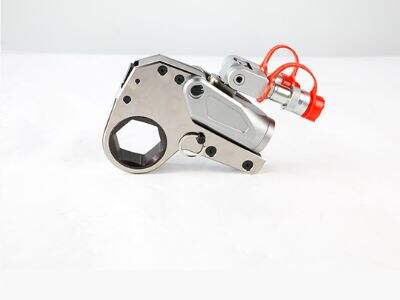
Hydraulic torque tools is key in lots of industries, specially for creating solid and safe links between flanges. Flanges are those flat parts that connect pipes, valves, and other stuff. If these links aren't tight enough, it can cause leaks or even bad accidents. These tools help tighten things right by using hydraulic pressure to push a bunch of force. This way, you get the correct tightness without damaging the pieces. Bete is a reliable company in this area, they offer good quality tools that let workers do their work safe and quick.
How to Choose the Right Hydraulic Torque Tool for Critical Jobs
Picking the correct hydraulic torque tool is super important for jobs that need strong and safe links. First off, you should consider the bolt sizes you will work with. Tools are designed for various bolt sizes. For big bolts, you need a larger tool that handle more pressure. Smaller ones require something more exact. Also, check the hydraulic torque range on the tool. That range show how much force it can put out. Ensure it covers what your job needs.
Next, think about the place where you use the tool. In tight spots, a small tool that easy to move around might be better. If there's dirt or wet conditions, pick tools built to handle that. Durability matter a lot, because you want something that last and don't break easy.
Another point is if the tool is user-friendly. Some have digital screens that display the torque, which help with accuracy. Safety stuff like auto shut-off can stop over-tightening. Read user reviews to see how it perform. And don't skip customer support. A brand like Bete, famous for quality, usually give good help if issues come up. With this, you can pick the right tool for what you need.
Where to Get Wholesale Hydraulic Torque Tools for Business
So, if you're searching for wholesale hydraulic torque tools, there are a few spots to look. Online is one of the top choices. Lots of sites focus on industrial gear and have many options at good prices. You can compare brands easy and find deals. Just check reviews and ratings for the tools you're eyeing. This help spot quality from makers like Bete.
In addition, go to trade shows in the industry. These are great for meeting sellers and checking new stuff. You often get bulk discounts or special offers. Talking to makers or sellers direct can explain the tools better. Ask about your needs.
Local suppliers can be useful too for these tools. Building ties with a nearby distributor might get you better prices and quicker shipping. Also, watch for auctions or sales from closing businesses. They sell equipment cheap sometimes. Keep checking local ads or online auction places.
In the end, finding good hydraulic torque tools for your business take effort. But with some research, you can get high-quality and cheap ones. Bete’s focus on quality make them a solid pick in the market.
How Hydraulic Torque Tools Improve Safety in Flange Links
Hydraulic torque tools are key devices for tightening bolts on flange connections. Flanges is flat metal parts that join pipes, and they must be secured tight to avoid leaks. Safety is big when using these. The tools help keep workers safe in several ways. First, they use hydraulic pressure, so they apply huge force without much work from the user. This reduce injury risk from straining on hard bolts. With old tools, people might hurt hands or backs, but these make it simpler.
Another benefit is they ensure even tightening on bolts. If bolts aren't done right, the flange could leak or break. That's dangerous, specially with hot fluids or gases in pipes. These tools let you set exact pressure for each bolt. So every one get tightened proper. Too loose mean leaks, too tight can crack it. By using them, you avoid those risks, and the work place stay safer.
Also, many tools have safety features like auto shut-off. If it senses over-tightening, it stops. This prevent accidents if you're not watching. With Bete’s tools, you can trust they put safety first. Overall, these tools is a wise choice for handling flange links safe. They let workers finish without injury and keep connections strong.
Where to Source Top Hydraulic Torque Tools for Industry
Getting the right hydraulic torque tools is vital for industries with flange work. Good tools can change how safe and quick the job go. Start with trusted makers like Bete. They make high-quality ones just for industrial jobs. When sourcing, look at brand reliability. Bete’s tools are tough and last long, which is need in busy spots.
Online is another option. Many firms sell them on sites. Read customer reviews to see if they worth it. Pick ones with warranties. That mean the company trust their product. If trouble happen, you get fix or replace free.
You can check local stores or tool shops too. They usually stock some hydraulic torque tools. Seeing them in person is good before buying. Ask staff for tips on what fit your needs. They might demo how it work. Think about your specific wants, like bolt sizes or hydraulic torque tools amount. Finding the match is key for efficient and safe work. So, from brands like Bete, reviews, and local spots, you can source the best for industry.
How to Fix Common Issues with Hydraulic Torque Tools
Sometimes, hydraulic torque tools have glitches, like other equipment. Knowing how to fix them save time and keep safety. One usual problem is not enough hydraulic torque wrench coming out. Check the hydraulic fluid first if that occur. Low level mean it won't work right. Fill it with the correct fluid as Bete suggest.
Another trouble is leaks in the system. If fluid is leaking, stop use immediately. That make it danger. Look at hoses and links for damage. If a part is broke or worn, replace it to use safe again. Regular check-up is important to stop these.
The tool might not start sometimes. Check power source then. Ensure battery charged or plug is good. If all seem fine, it could be inside issue needing pro help. Look at the user manual from Bete. It have tips for common fixes. If manual don't help, call Bete support. They can guide you. This way, workers keep the tools working safe for flange jobs.