
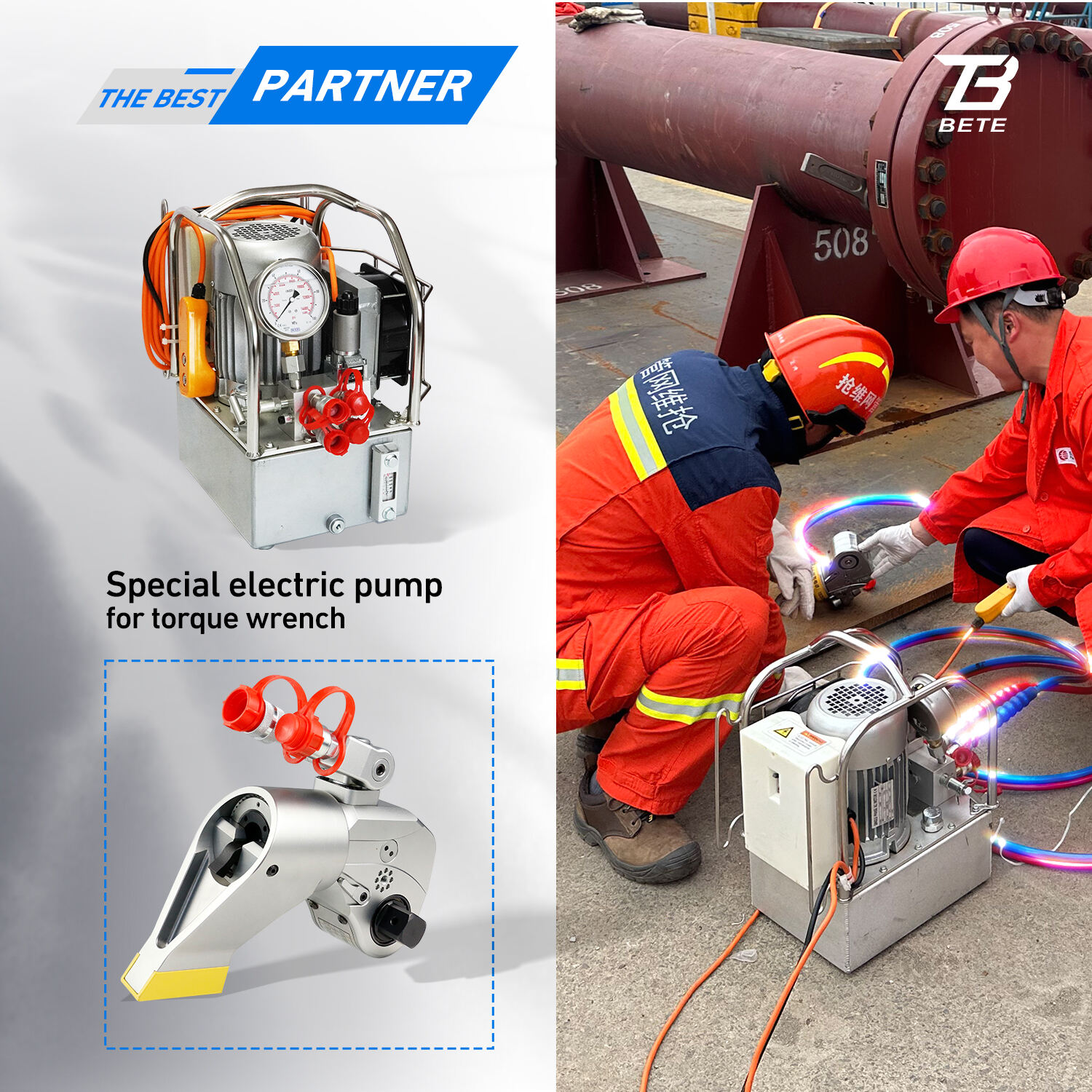
Hydraulic wrenches are used in factories and plants to tighten bolts and nuts on large machines. But when these wrenches fail to tighten accurately, machines may break or not function as designed. That’s why it is important to check and re calibrate the wrench’s force, or torque, regularly. This procedure is the torque calibration. At Bete, we understand the need to protect and maintain industrial equipment. We take extra steps to ensure that your hydraulic wrenches provide exactly the right amount of power every time. Let’s discuss how to do this thoughtfully and who can help you find strong services for it.
Industrial Equipment - Accurate Hydraulic Torque Wrenche Calibration
Torque calibration is hard to get right, but it’s critical. First, you’ll need a device called a torque tester that reads the amount of force being applied to the wrench. You begin by wiping the wrench and tester clean as dirt could cause the reading to be off. Then attach the wrench to the tester. Carefully turn on the wrench and allow it to tighten as would be expected with a bolt. The torque will be displayed by the tester. If it’s too low, or too high, you adjust the wrench’s settings to correct. You may need to do this a few times before the wrench reaches the desired torque. Say that the wrench is supposed to tighten at 500 Nm (Newton meters), but that the tester reads 450 Nm, you adjust the wrench until it reads 500. It’s like tuning a guitar until it’s just right. You also want to spot-check the wrench periodically, perhaps once a month or after very heavy use, because tools wear out. I would write down the value at every test and see if the wrench is getting weaker or stronger with time,” Bete says. This helps catch problems early, them and keep machines safe. Remember, safety is first and foremost Goggles and gloves always on; keep your hands clear if the wrench is working.
Where to Get the Best Services of Wholesale Hydraulic Wrench Torque Calibration
It can be challenging to find a reliable place for your hydraulic wrenches calibration. All services are not equal. You want a business that’s well versed in industrial tools and uses appropriate testing equipment. If you have a lot of wrenches, wholesale calibration services are useful because they can check all your wrenches more quickly and for less money. Bete provides calibration that can be mass produced in giant factories and mom-and-pop garages alike. We get it, no one has time to look at a wrench and make sure it’s the right one! We have thought machines that test a variety of hydraulic wrenches and if necessary are able to repair. And we maintain records for each tool so you'll know when to ship it out whenever. There are also those who try to save money by calibrating wrenches themselves, sometimes over-torquing and damaging tools. Handing you tools off to pros like Bete ensures your tools are in the best hands and your machines remain unscathed. If you don’t know when to calibrate, or what service to select, just ask us. We pride ourselves on helping customers find the best solution and preventing costly mistakes. And remember, good calibration is a valuable investment that saves your equipment and keeps work flowing.
Common Hydraulic Wrench Torque Calibration Mistakes And How To Prevent Them
When you are utilizing a hydraulic torque wrench to tighten bolts and nuts, it is of utmost importance that the torque, or turning force is just appropriate. If it’s too low, or very high, you could result in issues like loose parts or failed equipment. One of the most common problems with hydraulic wrench torque calibration is bad readings. This is because the wrench or tool that you are using to verify the torque isn't functioning correctly. For instance, if the wrench is dirty or worn out, it might not provide an accurate torque value. If the calibration tool isn't configured properly, it can also produce incorrect output. Something else that can be an issue is not following steps properly while calibrating them. Don’t skip steps or hurry through the process, as you may make mistakes. Occassionally, the wrench is leaking little or may have old parts in it that will make it slow. Such leaks can result in loss of pressure by the wrench, which may fail to adequately tighten bolts.
These issues are all preventable if the hydraulic wrench is cleaned and maintained properly. Bete suggests you frequently inspect your wrench for damage or wear. Always utilize the proper tools when calibrating and read and follow all provided instructions. By doing the calibration step by step, you can be confident that your torque readings are accurate. Also make sure that there are no holes or loose components in the hydraulic system prior to attempting calibration. A log or history of calibration readings will make it easier to identify any shifts in wrench performance over time. By following these particulars you can prevent common problems and keep your hydraulic wrenches working well, keeping all your industrial equipment safe and sound.
In Calibration, Which Factors Affect Hydraulic Wrench Torque Accuracy
There are a couple things that determine how accurate your torque is when you calibrate a hydraulic wrench. One big factor is temperature. The metal parts in the wrench and calibration tools can expand or contract when the temperature changes. This can alter how the wrench reads torque. For instance, if it is extremely cold or hot outside, the wrench may not give an accurate reading. A second factor to consider is the hydraulic fluid that’s in the wrench. Dirty or air-filled fluid doesn’t provide that same feedback, which can alter the pressure and impact torque accuracy. The type of fluid is also important since some work better at specific temperatures or conditions.
Another issue is the way the wrench is gripped during calibration. If the wrench slips or is not stable, the torque can be incorrect. The wrench shall be tested on a clean flat surface to obtain accurate measurements. A wrench can also affect the reading, in that the application of force from the wrench or speed at which the torque is being applied can sometimes distort a reading. When too fast or too slow torque is carried out, the accuracy may be affected. To measure torque we need accurate tools, and they should be periodically controlled to ensure that are working well. The configuration of the wrench in relation to the calibration device, as well as what adapters or fittings are employed, can also affect the reading.
Bete is familiar with such limitations and when manufactures their hydraulic wrenches and calibration tools to minimize those errors. To maximize the accuracy always adhere to Bete’s recommendations on temperature range, fluid type and calibration configuration. By verifying these variables thoroughly, you can be confident your hydraulic wrench is tightening to the proper torque values-air-hydraulic-and ensure safe and correct operation of your machinery.
How to Select the Appropriate Hydraulic Wrench Torque Calibration for Your Machines
It is very important for safety, security and performance to choose the right one when deciding which method to use for calibration of your hydraulic wrench on industrial equipment. There are various ways to calibrate torque, and the right method is going to vary based on what sort of equipment you're working with and how you use the wrench. A convenient approach is to employ with a torque sensor and/or transducer. The wrench provides direct readings of the turning force on a digital read-out. It is very precise and also easy to operate, which makes it ideal for various industrial applications. But it can be expensive, and requires careful treatment.
One way is done with a machine that calibrates torque by gripping the wrench and putting it under pressure to calculate the strength of the torque. That method is extremely precise, and great for testing lots of wrenches over time. It is frequently utilized in factories and workshops where a large number of bolts need tightening every day. This machine is also capable of simulating real working conditions, allowing it to verify that the wrench will perform well in the field. For small jobs or infrequent use, there are also simple integration methods to consider: applying a known weight or spring scale will provide error-prone but better than nothing correlation for rough torque values.
When selecting the appropriate calibration method, weigh how often you plan to calibrate, the degree of precision required and your budget. various calibration standards from easy to use tools up to high-end machines. The Bete company provides several sort of calibration standards which match with several types ranging from simple device sorts. When using either calibration mode it is critical that Bete’s recommendations are followed to enable accurate results to be obtained. Finally, consider where calibration takes place some procedures require clean stable spaces and others are more responsive to that. In selecting an accurate calibration method, you ensure your hydraulic wrench works as it should keeping your equipment safe and your work secure.
Table of Contents
- Industrial Equipment - Accurate Hydraulic Torque Wrenche Calibration
- Where to Get the Best Services of Wholesale Hydraulic Wrench Torque Calibration
- Common Hydraulic Wrench Torque Calibration Mistakes And How To Prevent Them
- In Calibration, Which Factors Affect Hydraulic Wrench Torque Accuracy
- How to Select the Appropriate Hydraulic Wrench Torque Calibration for Your Machines