
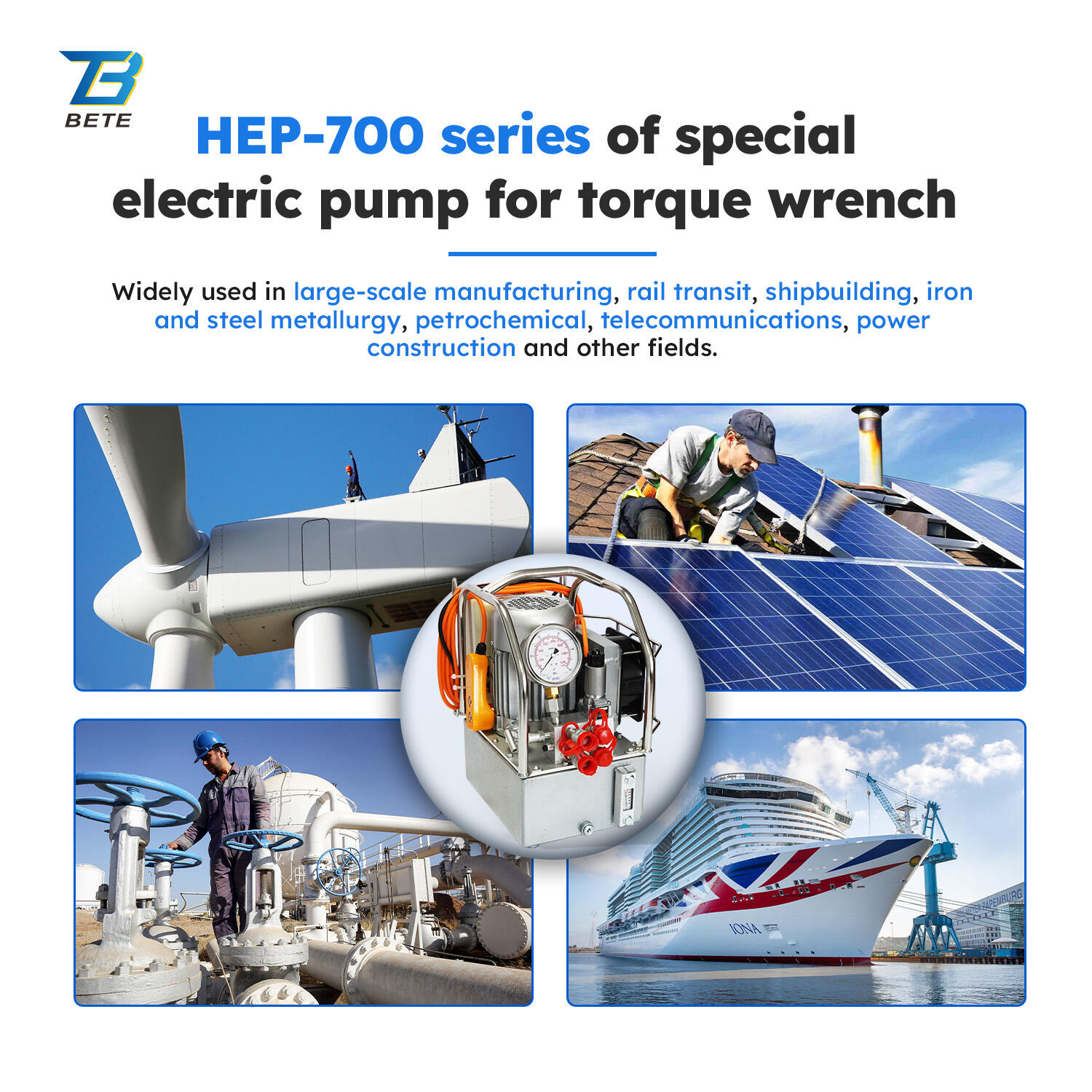
Hydraulic wrenches are essential equipment that are employed in multiple industries for cutting down or loosening of bolts under high tension. But ensuring they move smoothly and provide the appropriate force each and every time may sometimes be trickier than it seems. There's a big variation in how the wrench is constructed. At Bete, we understand that the construction of a hydraulic wrench makes a difference in how consistent its force, or torque, remains when it’s put to work. When the parts of the wrench fail to fit or work well together, the torque can shift during use and also become a problem. Today, let’s take a look at how the design of a hydraulic wrench can make its torque more stable and accurate, so our workers can do their work better and more safe.
How structural effects improve the accuracy of Hydraulic Wrench Torque in Industry
The structure of a hydraulic wrench counts a lot towards when racking the required amount of torque. At Bete, we've seen time and again how a few small tweaks in the body or internal mechanisms of the wrench can make all the difference. The materials used to construct the wrench’s frame, for instance, must be strong, yet lightweight enough so that the tool doesn’t become too heavy. If it is too heavy, the operator gets tired quickly and cannot hold the wrench steady, degrading torque accuracy. Also, the fit of the hydraulic cylinder inside the wrench is important. And it also must be held snugly so it doesn’t shift or rattle when you’re using it. Even a tiny wobble can make the torque jump up or down. We frequently experiment with various shapes and thicknesses of parts until we find the optimal compromise between strength and stability.
A second factor is the joint between wrench to bolt, or wrench to nut. If the jaws on the sockets don’t grip the bolt tightly, if the wrench can slip and that won’t be good for torque. At Bete, we develop jaws that hold on fiercely, but permit workers to change sizes easily. This grab allows torque to stay stable as slipping is a waste of power and results in the wrench having to work harder. The hydraulic system is itself to be a carefully designed device. The hoses and pistons should be able to move in a steady, uninterrupted manner without any dramatic jerks or leaks. Torque changes when pressure drops or spikes suddenly. Quality seals and the smooth stroke of its pistons inside the wrench keep pressure consistent.
In some cases, the shape of the wrench might even mitigate torque spikes. If a tool has an ergonomic handle that fits the hand well, you can grip it securely. With the operator’s hand comfortable, it can control the wrench better, which in turn helps maintain consistent torque. So, then, the design of all these bits to fit together stiff frame, tight-fit cylinder, gripping jaws gentle enough to hold but firm enough not to slip and silky hydraulics and comfortable handles. That combination is what allows Bete’s hydraulic wrenches to deliver torque precisely, even in harsh industrial conditions.
Key Structural Factors Affecting The Consistency Of Hydraulic Torque Wrench
There are many components inside a hydraulic wrench that affect how steadfast its torque remains during operation. At Bete, these are the details that we pay attention to because we want you to believe in our tools every time you put them into your hands. One of the structural members is the frame or head of the wrench. Should the frame twist or flex under load, the torque value will be altered. Think of how a soft plastic frame will react compared with a hard metal one the former will flex and make the force less consistent. Which is why Bete uses hard metals and designs the frame shape to avoid bending. Flexing sometimes stops if you add ribs or thicker sections where the wrench is strongest.
The second, the hydraulic cylinder that’s in the wrench. It drives the jaws to grip bolts. If this cylinder doesn’t rotate freely, or if the two become stuck together because of friction, torque can spike out of nowhere. We ensure that all of the cylinders are machined properly and made to fit inside the frame seamlessly; in turn, using it's superior seals to keep springs and hydraulic fluid in place. Leaks equal less pressure, and therefore less torque. The cylinder as well need to be perfectly balanced, and should also be well lubricated so that there are no jerks.
Another feature is the jaws or sockets which grip the bolt. The wrench slips if the edges wear down or if they aren’t gripping the bolt tightly. Slip is when you loose the torque because now since it didn’t push on the bolt directly by itself. Bete makes jaws that have unique shapes and are made out of tough materials so they will hold up over time and grab bolts well. For one, the manner in which jaws attach to the wrench’s body is important. If the connections are loose, the jaws can wiggle and introduce uneven torque.
The handle or grip portion is in many cases overlooked but of substantial importance. If the handle is slippery or uncomfortable, the operator cannot keep the wrench steady. Unstable gripThat happens when the torque moves when you’re tightening. Bete creates handles with grips that are comfortable for different size hands issues and materials that keeping from slipping (even when sweaty or oily).
Ultimately, the entire construction of the wrench must be accurate. Vibrations or wobbling result from small clearances between parts, spoiling torque uniformity. We pay attention to the details and implement well- thought out manufacturing processes so that every part is a perfect fit. Every wrench is tested before leaving the factory to ensure that torque remains constant throughout use. This focus on structure is why Bete is an industry name and their hydraulic wrenches are the proven tool to keep your torque constant, precise and under control even in the harshest of conditions.
Where You To Get Best-Designed Structurally Hydraulic Wrench For Torque Stability
If you're searching for some hydraulic wrenches that perform, look no further than the ones made with intelligent designs. Torque is the twisting force a wrench applies to the bolt to tighten or loosen it. Without a stable torque, the wrench may not execute well and might lead to problems or even accidents. At Bete we concentrate on producing hydraulic wrenches with solid and intelligent designs to ensure that the torque remains stable always. To find wrenches like these, you want to seek out suppliers or shops that realize the importance of their design. Reputable suppliers will help explain to you the components of the torque stability, such as the design of the wrench head, materials and how well it can take pressure. These features ensure that the wrench never slips or loses its power while working on bolts. It also helps to locate places that test their wrenches rigorously before selling them. Testing demonstrates how well the wrench maintains consistent torque through actual work. Once you come across a source of this nature, you can be assured such hydraulic wrench will serve your well and for long. Bete’s hydraulic torque are produced using the finest designs and materials to assist workers in completing their tasks safely and efficiently. So when you need a wrench that maintains torque consistently, pick a supplier who delivers Bete tools. They are highly recommendable to all the people who require strong and dependable hydraulic wrenches.
Structural Design Selection Of High-Quality Wholesale Hydraulic Wrenches For All Kinds Of Torque Outlines
Selecting a perfect hydraulic wrench in wholesale maybe difficult but once you are taking about the structure then it is easier. The design of a hydraulic wrench will influence how well it retains and manages torque. For instance, a wrench with a solid frame built of a strong metal will have less flex and more consistent torque. Also watch the head of the wrench and how it goes onto bolts. A well designed one should grip the bolt snugly without slipping or rounding it. Bete hydraulic wrenches are designed with these concepts. They have tough steel frames, and head shapes that conform to the bolts it grips to keep torque from wobbling while you work. The hydraulic system inside the wrench is another critical part. The device forces the wrench to rotate bolts, so it must be smooth and sturdy. Search for wrenches with good seals and parts that block oil leaks those can cause the torque to be weak or inconsistent. For wholesale purchases, you may want to check with the seller and make sure they have considered torque control in the design of the wrench. Find out if the wrench has undergone torque stability tests and whether it is manufactured from relatively durable materials that withstand pressure for long periods. Bete suppliers provide all this information when they sell you a wrench, because Bete cares about quality and safety. By building up the structural details and asking the necessary installation questions, you should be able to make an upcoming decision for wholesale hydraulic wrenches that will keep torque steady and ensure workers can do their jobs more effectively.
What Are Some Structural Innovations That Make Torque Control More Precise In Hydraulic Wrenches For Wholesale Market?
New designs in construction of hydraulic torque wrench are innovative, and therefore the torque control is improved than ever. Such design modifications are referred to as structural innovations and they ensure that the wrench works with ease and safety. More to the point, it makes use of lighter, but stronger materials. Certain parts of the wrench, such as them, might be made of some new metals that are less heavy to carry the weight, but yet strong enough to stand the hard usage. This enables employees to work longer durations of time with the wrench without getting tired, and they also have the same amount of torque. The third worthy of improvement is in the shape of parts of the wrench. Engineers have designed heads and frames that are more accommodative to bolts that do not slip, and assist the wrenches to hold on to the torque. It is with these new materials and shapes that we are working at Bete to introduce an assortment of hydraulic wrenches that are more powerful and at the same time simple to use. And the hydraulic fluid in the wrench is held in longer by new sealing technology. When the fluid is present in well, the wrench can also impose bolts at constant force that increases control of torque. There are also wrenches with intelligent designs that assist in reducing the vibration and noise levels to ensure that the tool is safer to you as well as less uncomfortable to use. These enhancements are so handy in the wholesale markets where you require equipment that is durable and very user-friendly to many different users. These are some of the characteristics that are incorporated in the hydraulic wrenches of Bete that make it stand out in the wholesale tool markets that require the highest with regards to the torque control and the strength of the tool. When choosing new design wrenches, these buyers can also contribute to the faster and safer completion of the work by the workers.
Table of Contents
- How structural effects improve the accuracy of Hydraulic Wrench Torque in Industry
- Key Structural Factors Affecting The Consistency Of Hydraulic Torque Wrench
- Where You To Get Best-Designed Structurally Hydraulic Wrench For Torque Stability
- Structural Design Selection Of High-Quality Wholesale Hydraulic Wrenches For All Kinds Of Torque Outlines
- What Are Some Structural Innovations That Make Torque Control More Precise In Hydraulic Wrenches For Wholesale Market?